

Canadian winters are known for their cold temperatures, and keeping homes warm can become expensive. Heating costs often rise significantly during the colder months, and windows are one of the biggest sources of heat loss. Choosing the right window coverings can make a noticeable difference in both comfort and energy bills.
Energy-efficient window coverings are designed to reduce heat loss by providing insulation. They create a barrier between the cold air outside and the warm air inside. While no window covering can completely stop heat transfer, the right choice can significantly reduce it.
One of the most effective options is cellular shades, also known as honeycomb shades. These are specifically designed for insulation. Their unique structure traps air in pockets, creating a layer of insulation that slows down heat transfer. Double or triple cell designs provide even better performance, making them one of the best choices for cold climates.
Thermal curtains are another strong option. These are made with thick, insulated fabric that helps retain heat. They are particularly useful for large windows or areas where additional coverage is needed. When combined with proper sealing around windows, thermal curtains can make a room feel noticeably warmer.
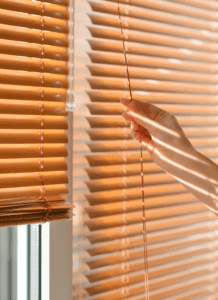
Faux wood blinds are also a practical choice. While they do not insulate as effectively as cellular shades, they are durable and can help reduce drafts when fully closed. Pairing them with curtains can improve their performance.
Roman shades offer a balance between style and function. When made with thicker materials or thermal lining, they can help reduce heat loss while adding a decorative touch to the room. They are often used in living rooms and bedrooms where both appearance and performance matter.
Layering window coverings is one of the most effective strategies. Using a combination of blinds and curtains creates multiple barriers against heat loss. For example, pairing cellular shades with thermal curtains provides both insulation and flexibility in light control.
Proper installation is just as important as the type of covering you choose. Gaps around windows allow cold air to enter and warm air to escape. Ensuring a tight fit and covering the entire window area improves efficiency. Outside mount installations can sometimes provide better coverage and reduce gaps.
Another factor to consider is window orientation. South-facing windows receive more sunlight, which can help warm your home during the day. Keeping blinds open during sunny hours allows heat to enter naturally, while closing them at night helps retain that heat.
Energy efficiency is not only about staying warm. It also reduces strain on your heating system, which can extend its lifespan and lower maintenance costs. Over time, the savings on energy bills can offset the initial cost of high-quality window coverings.
Choosing energy-efficient window coverings is a smart investment for Canadian homeowners. They improve comfort, reduce energy costs, and contribute to a more sustainable home. With the right combination of materials, installation, and daily use, you can make your home much more efficient during winter.