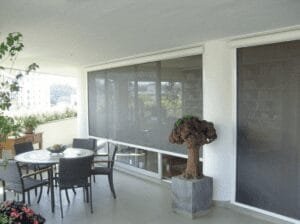

Smart Blinds vs Manual Blinds: Which Is Better for Your Home?
Choosing window treatments for your home can seem straightforward, but the options available today go far beyond traditional manual blinds. With the rise of smart home technology, smart blinds have become a popular alternative to manual blinds. Each option has its benefits, drawbacks, and considerations, especially for Canadian homes that face varying weather conditions, sunlight exposure, and energy efficiency concerns. This article explores both smart blinds and manual blinds in depth so you can make an informed decision for your home.
Understanding Manual Blinds
Manual blinds are the traditional choice for window coverings. They come in a variety of styles, including Venetian, roller, vertical, and honeycomb blinds. These blinds are adjusted by cords, wands, or simple push-and-pull mechanisms. The main advantages of manual blinds include affordability, simplicity, and minimal maintenance.
Manual blinds are easy to install and usually do not require professional help. They are also durable, with fewer mechanical parts that could fail over time. Many homeowners prefer manual blinds because they offer a sense of control and are less likely to encounter technical problems.
However, manual blinds require physical effort to open, close, or adjust. For large or hard-to-reach windows, this can become inconvenient. In addition, manual blinds offer limited automation features. If you want your blinds to adjust based on the time of day, sunlight levels, or temperature, manual blinds cannot provide that without additional automation systems.
The Rise of Smart Blinds
Smart blinds are motorized window treatments that can be controlled using remote controls, mobile apps, or voice commands through smart home assistants such as Google Home, Alexa, or Apple HomeKit. Smart blinds bring convenience and technology integration into the home, offering features that manual blinds cannot match.
With smart blinds, you can schedule your window coverings to open and close at specific times, which is ideal for energy efficiency and security. For example, in the winter months, blinds can open to allow sunlight in during the day for natural heating and close at night to retain warmth. Conversely, in the summer, smart blinds can help block heat and reduce cooling costs. Many smart blinds also come with sensors that automatically adjust the blinds based on sunlight intensity or room temperature.
Smart blinds come in a variety of styles and materials, similar to manual blinds, including roller, Roman, and Venetian options. While they are generally more expensive than manual blinds, the long-term convenience and energy savings can justify the investment.
Comparing Convenience and Automation
One of the primary differences between smart and manual blinds is convenience. Smart blinds can be operated remotely, either through apps or voice commands, allowing for effortless control. They can also integrate with home automation routines, such as turning all blinds down at sunset or opening them when a security system detects motion.
Manual blinds, in contrast, require physical operation. While simple and reliable, they cannot adapt to your schedule automatically. If you have multiple large windows, manually adjusting blinds every day can become time-consuming.
Energy Efficiency Considerations
Both smart and manual blinds can contribute to energy efficiency, but smart blinds provide more control over the environment. In Canada, where winters are cold and summers can bring heat through sun-facing windows, controlling light and heat is crucial. Smart blinds can be programmed to optimize natural heating in winter and reduce cooling loads in summer. Manual blinds can achieve similar benefits, but it relies on you remembering to adjust them at the right times.
Installation and Maintenance
Manual blinds are easy to install and maintain. Most homeowners can complete installation themselves with basic tools. Cleaning involves dusting or vacuuming the slats, and repairs are usually minimal.
Smart blinds often require professional installation, especially for large or motorized systems. They also need regular maintenance to ensure the motors and automation systems function correctly. Battery replacement or charging is another factor to consider, though many modern smart blinds have long-lasting rechargeable batteries.
Cost Comparison
Manual blinds are typically more budget-friendly. Prices vary depending on the material, style, and brand, but they generally cost less upfront than smart blinds. Smart blinds come with higher initial costs due to the technology, motorized systems, and sometimes professional installation. However, smart blinds may offer energy savings over time, which can partially offset the upfront expense.
Style and Design Options
Both manual and smart blinds are available in a wide range of styles, colors, and materials. Honeycomb blinds, roller shades, and Venetian blinds can be found in either version. Smart blinds, however, often include options for motorization without compromising the aesthetic appeal, providing sleek, modern designs that fit contemporary homes.
Security Benefits
Smart blinds can also enhance home security. By automating the blinds to open and close at scheduled times, it can simulate occupancy even when you are away. Manual blinds do not offer this feature unless combined with other automated home systems.
Making the Right Choice for Your Home
When deciding between smart and manual blinds, consider the following:
-
Budget: If you have a tight budget, manual blinds are more cost-effective.
-
Convenience: For hard-to-reach windows or multiple large windows, smart blinds offer unparalleled convenience.
-
Energy Efficiency: Smart blinds allow for programmable energy savings and optimal comfort.
-
Aesthetic Preference: Both options offer diverse styles, but smart blinds allow modern, minimalistic automation-friendly designs.
-
Technology Integration: If you already have a smart home system, smart blinds will integrate seamlessly.
Conclusion
Both smart and manual blinds have their place in Canadian homes. Manual blinds offer simplicity, reliability, and affordability, while smart blinds provide convenience, automation, energy efficiency, and security features. Assess your home’s needs, lifestyle, and budget before making a decision. For homeowners looking to embrace technology and enjoy the benefits of automated control, smart blinds are the superior choice. For those seeking a practical and cost-effective solution, manual blinds remain a strong option.