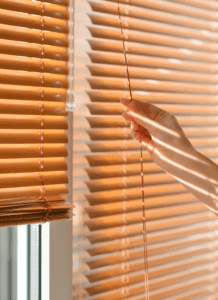


Window blinds are one of the most practical and stylish additions to any home. They provide privacy, control natural light, improve energy efficiency, and enhance the appearance of your rooms. However, many homeowners install beautiful blinds and forget one important thing: regular maintenance.
Over time, dust, dirt, grease, pet hair, and even mold can accumulate on blinds. Not only can this make your window treatments look unattractive, but it can also shorten their lifespan and negatively affect indoor air quality.
The good news is that maintaining your blinds does not have to be difficult. With the right cleaning methods and a regular maintenance routine, you can keep your window coverings looking beautiful and functioning properly for many years.
Why Cleaning Your Blinds Is Important
Many people underestimate how much dust can collect on window coverings. Blinds are constantly exposed to airborne particles, cooking fumes, humidity, and direct sunlight.
Regular cleaning helps:
- Extend the life of your blinds
- Maintain their appearance
- Improve indoor air quality
- Prevent stains and discoloration
- Reduce allergens inside the home
- Keep operating mechanisms working smoothly
Proper maintenance can also save money by delaying the need for replacements.
How Often Should You Clean Your Blinds?
The ideal cleaning schedule depends on your environment.
Weekly
- Light dusting
- Spot cleaning if necessary
Monthly
- More thorough cleaning
- Vacuuming
- Inspecting cords and mechanisms
Every Six Months
- Deep cleaning
- Full inspection
- Professional cleaning if needed
Homes with pets, smokers, or people with allergies may require more frequent cleaning.
Tools You’ll Need
Fortunately, cleaning blinds does not require expensive equipment.
Basic cleaning tools include:
- Microfiber cloths
- Vacuum cleaner with brush attachment
- Mild dish soap
- Warm water
- Soft sponge
- Duster
- Small brush
- White vinegar
- Dry towel
Having these items on hand makes regular maintenance much easier.
Cleaning Different Types of Blinds
Different materials require different cleaning methods.
Cleaning Roller Blinds
Roller blinds are relatively easy to maintain because they have a smooth fabric surface.
Step 1: Remove Dust
Use a vacuum cleaner with a brush attachment or a microfiber cloth to remove loose dust.
Step 2: Spot Clean
Mix warm water with a small amount of mild soap.
Dip a clean cloth into the solution and gently wipe any stains.
Avoid soaking the fabric because too much moisture can damage certain materials.
Step 3: Allow to Dry
Leave the blind fully extended until it has completely dried.
Cleaning Zebra Blinds
Zebra blinds contain both sheer and solid fabric sections, requiring a more delicate approach.
Dust Regularly
Use a feather duster or vacuum with a low setting.
Spot Cleaning
Use a damp cloth and gently wipe stains without scrubbing aggressively.
Avoid Harsh Chemicals
Strong cleaning products can damage the fabric and cause discoloration.
Cleaning Faux Wood Blinds
Faux wood blinds are among the easiest types to maintain.
Dust Weekly
Use a microfiber cloth or duster.
Wipe with Mild Soap
A mixture of water and dish soap works well.
Because faux wood is moisture-resistant, it can handle slightly more water than real wood blinds.
Dry Immediately
Use a dry cloth to prevent water spots.
Cleaning Real Wood Blinds
Real wood blinds require special care.
Avoid Excessive Moisture
Too much water can cause warping or cracking.
Use Wood-Friendly Cleaners
Apply cleaning products specifically designed for wood surfaces.
Dust Frequently
Frequent dusting prevents buildup and minimizes the need for deep cleaning.
Cleaning Cellular Shades
Cellular shades are excellent for insulation but require gentle handling.
Vacuum Carefully
Use a low suction setting.
Spot Clean Lightly
Avoid saturating the fabric.
Professional Cleaning
Deep stains may require professional cleaning services.
Cleaning Vertical Blinds
Vertical blinds can collect dust along each slat.
Dust from Top to Bottom
This prevents dirt from falling onto already cleaned areas.
Remove and Wash if Possible
Some fabric vertical blinds can be removed and hand-washed.
Always check the manufacturer’s instructions before cleaning.
Removing Stubborn Stains
Sometimes regular cleaning is not enough.
Common stains include:
- Grease
- Food splatters
- Fingerprints
- Pet marks
- Water stains
For stubborn spots:
- Mix warm water with mild soap.
- Test the solution on a small hidden area.
- Gently blot the stain.
- Avoid scrubbing aggressively.
Patience is important. Harsh cleaning can do more harm than the stain itself.
Dealing with Mold and Mildew
Canadian weather can create humidity issues, especially in bathrooms and kitchens.
If you notice mold:
Step 1
Mix equal parts water and white vinegar.
Step 2
Apply carefully to the affected area.
Step 3
Allow the area to dry completely.
Preventing moisture buildup is the best long-term solution.
Maintaining Blind Mechanisms
Cleaning the fabric or slats is only part of proper maintenance.
You should also inspect:
- Cords
- Chains
- Motorized systems
- Mounting brackets
- Operating mechanisms
Dust and debris can interfere with smooth operation.
If blinds become difficult to open or close, the mechanism may need cleaning or adjustment.
Caring for Motorized Blinds
Motorized blinds require very little maintenance.
However, you should:
- Replace batteries when necessary
- Keep tracks clean
- Avoid exposing motors to excessive moisture
- Inspect remote controls periodically
Proper care helps prevent expensive repairs.
Protecting Blinds from Sun Damage
Direct sunlight can gradually fade certain materials.
To reduce UV damage:
- Rotate blinds regularly.
- Use light-filtering settings.
- Consider UV-protective window films.
This is especially important for fabric blinds and darker colors.
Common Cleaning Mistakes to Avoid
Many homeowners accidentally damage their blinds by using improper cleaning methods.
Avoid these mistakes:
Using Harsh Chemicals
Strong cleaners can cause discoloration and fabric damage.
Applying Too Much Water
Excess moisture can damage wood and certain fabrics.
Scrubbing Aggressively
This can distort materials and leave permanent marks.
Ignoring Manufacturer Instructions
Different blinds have different cleaning requirements.
Waiting Too Long Between Cleanings
Heavy dirt buildup is harder to remove and may shorten the lifespan of your blinds.
How to Extend the Life of Your Blinds
Proper maintenance goes beyond cleaning.
Follow these tips:
- Dust regularly.
- Open and close blinds gently.
- Avoid pulling cords aggressively.
- Repair small issues immediately.
- Schedule periodic deep cleaning.
Well-maintained blinds can last many years longer than neglected ones.
Should You Hire Professional Cleaners?
Professional cleaning may be worth considering if:
- The blinds are heavily stained.
- You have expensive custom blinds.
- The blinds are difficult to remove.
- You want deep cleaning without risk of damage.
For most homeowners, however, regular maintenance at home is enough.
Blinds are an investment that contributes to the comfort, beauty, and functionality of your home. Like any investment, they require proper care.
By developing a simple cleaning routine and addressing minor issues before they become major problems, you can keep your window coverings looking new for years.
Whether you have roller blinds, zebra blinds, cellular shades, or wood blinds, regular maintenance will improve their appearance, extend their lifespan, and help create a healthier indoor environment.
A few minutes of cleaning each week can save money, improve comfort, and ensure that your blinds continue to perform beautifully throughout every season.