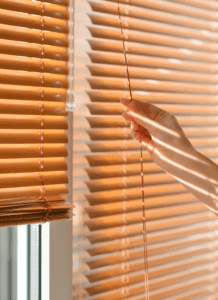


Choosing the right window blinds is about much more than appearance. Homeowners today want window coverings that combine style, durability, energy efficiency, and long-term value. One of the most common questions people ask when shopping for new blinds is whether they should choose faux wood blinds or real wood blinds.
Both options offer timeless beauty and excellent light control, but each has unique advantages depending on where they are installed and how they will be used. Calgary’s changing seasons, low humidity during winter, occasional summer heat, and varying room conditions all influence which material performs best over time.
If you’re planning to upgrade your window coverings, understanding the differences between faux wood and real wood blinds will help you make a smart investment that suits both your home and your lifestyle.
Understanding Wood Blinds
Wood blinds have remained one of the most popular window treatments for decades because they add warmth, elegance, and natural beauty to any room. They are available in two main categories:
- Real Wood Blinds
- Faux Wood Blinds
Although they look similar from a distance, they are manufactured using different materials and are designed for different environments.
What Are Real Wood Blinds?
Real wood blinds are manufactured from genuine hardwoods such as basswood or other lightweight timber. Each blind has natural grain patterns that make every installation unique.
Because they are made from real timber, they provide a premium appearance that many homeowners love.
Real wood blinds are commonly used in:
- Living rooms
- Dining rooms
- Home offices
- Bedrooms
- Luxury homes
They create a sophisticated finish that complements both traditional and modern interior designs.
What Are Faux Wood Blinds?
Faux wood blinds are manufactured using durable PVC, composite materials, or engineered polymers designed to replicate the appearance of real wood.
Modern manufacturing technology has made faux wood blinds remarkably realistic. Many people cannot distinguish between faux wood and natural wood without looking closely.
These blinds are designed to provide the classic appearance of timber while offering superior resistance to moisture and daily wear.
Appearance Comparison
Real Wood
Nothing completely replaces the natural beauty of genuine timber.
Real wood offers:
- Unique grain patterns
- Rich natural textures
- Premium finishes
- Elegant appearance
- Higher-end aesthetic
Each blind is slightly different because natural wood contains unique markings and variations.
Faux Wood
Today’s faux wood blinds have improved dramatically.
They now feature:
- Realistic wood textures
- Modern painted finishes
- Wide colour selections
- Consistent appearance
While they closely resemble natural wood, careful inspection will usually reveal slight differences in texture.
Durability
When comparing durability, faux wood has a significant advantage.
Faux Wood Advantages
Faux wood blinds resist:
- Moisture
- Warping
- Cracking
- Peeling
- Fading
- Everyday impacts
This makes them ideal for busy family homes.
Real Wood Durability
Real wood is strong but requires proper care.
Extreme moisture or prolonged exposure to humidity may eventually cause:
- Warping
- Expansion
- Minor cracking
- Finish deterioration
When properly maintained, however, quality real wood blinds can last for many years.
Which Is Better for Calgary’s Climate?
Calgary experiences a wide range of weather conditions throughout the year.
Winter temperatures can fall well below freezing, while summer afternoons may become surprisingly warm.
Because of these changing conditions, homeowners need window treatments that perform consistently year-round.
Faux Wood Performs Better In
- Bathrooms
- Kitchens
- Laundry rooms
- Basements
- High-humidity areas
Real Wood Performs Better In
- Living rooms
- Bedrooms
- Formal dining rooms
- Home libraries
- Executive offices
Choosing the right material for each room helps maximize the lifespan of your investment.
Moisture Resistance
One of the biggest differences between these products is moisture resistance.
Faux Wood
Faux wood is almost completely unaffected by humidity.
It can safely be installed near:
- Kitchen sinks
- Bathroom showers
- Laundry appliances
This makes it one of the best choices for moisture-prone rooms.
Real Wood
Natural wood absorbs moisture over time.
Although high-quality finishes provide protection, excessive humidity can eventually affect performance.
For this reason, real wood is generally recommended for dry interior spaces.
Maintenance Requirements
Homeowners often prefer window treatments that are easy to maintain.
Faux Wood Cleaning
Cleaning faux wood blinds is simple.
Most dust and dirt can be removed using:
- A microfiber cloth
- A vacuum with a brush attachment
- Mild soap and water
The material is highly resistant to staining and easy to wipe clean.
Real Wood Cleaning
Real wood requires a little more care.
Avoid:
- Excess water
- Harsh chemicals
- Abrasive cleaners
Instead, use products specifically designed for finished wood surfaces.
Energy Efficiency
Both products contribute to improved insulation.
Properly fitted blinds help reduce heat loss during winter while minimizing solar heat gain during summer.
Although there is little difference between the two materials in terms of insulation, pairing either option with quality installation will significantly improve energy efficiency.
Weight Comparison
Many homeowners overlook weight when choosing blinds.
Real Wood
Natural wood is lighter than many people expect.
This makes it suitable for:
- Large windows
- Wide openings
- Frequent daily operation
Faux Wood
Faux wood is generally heavier because of its composite construction.
For extremely wide windows, professional installation becomes even more important to ensure smooth operation.
Cost Comparison
Budget is often an important consideration.
Faux Wood
Generally more affordable.
Offers excellent value while maintaining an attractive appearance.
Real Wood
Usually carries a higher price because of:
- Natural materials
- Premium finishes
- Luxury appearance
Many homeowners consider this extra investment worthwhile for living spaces where appearance is the highest priority.
Which Option Lasts Longer?
Both products can provide many years of reliable performance.
Faux wood often lasts longer in demanding environments because it resists moisture and daily wear.
Real wood also offers excellent longevity when installed in suitable rooms and maintained correctly.
Best Rooms for Faux Wood Blinds
Faux wood is an excellent choice for:
- Bathrooms
- Kitchens
- Children’s bedrooms
- Rental properties
- Laundry rooms
- Basements
These rooms benefit from its durability and easy maintenance.
Best Rooms for Real Wood Blinds
Real wood creates a premium atmosphere in:
- Living rooms
- Master bedrooms
- Dining rooms
- Home offices
- Luxury homes
Its natural warmth makes these spaces feel elegant and welcoming.
Environmental Considerations
Many homeowners are interested in sustainability.
High-quality real wood blinds are often manufactured using responsibly sourced timber.
Many faux wood products are also produced using recyclable composite materials.
Choosing reputable manufacturers ensures environmentally responsible production practices.
Which Blinds Increase Property Value?
Premium window treatments can improve a home’s appeal.
Real wood blinds are often viewed as a luxury feature that enhances interior value.
However, professionally installed faux wood blinds also add value by offering durability, practicality, and low maintenance.
The overall quality of installation usually has a greater impact than the material itself.
Why Professional Installation Matters
Even the highest-quality blinds will not perform properly if they are incorrectly installed.
Professional installation ensures:
- Accurate measurements
- Perfect alignment
- Smooth operation
- Secure mounting
- Long-lasting performance
At Calgary Blinds Company, every installation is completed by experienced professionals who ensure your custom blinds fit perfectly and operate flawlessly.
Which Should You Choose?
The best choice depends on your priorities.
Choose real wood blinds if you want:
- Luxury appearance
- Natural wood grain
- Premium interior design
- Lightweight construction
Choose faux wood blinds if you want:
- Moisture resistance
- Lower maintenance
- Greater durability
- Better value
- Excellent performance in kitchens and bathrooms
Many homeowners choose a combination of both, installing real wood in living areas and faux wood in high-moisture rooms.
Why Calgary Homeowners Trust Calgary Blinds Company
Calgary Blinds Company supplies and installs premium custom blinds designed specifically for Canadian homes.
Our experienced team helps homeowners select the perfect window coverings based on their style, budget, and functional requirements.
We provide:
- Free in-home consultations
- Professional measuring
- Custom manufacturing
- Expert installation
- Competitive pricing
- Outstanding customer service
Whether you’re renovating one room or your entire home, we can recommend the ideal blind solution for every window.
Finally
Both faux wood and real wood blinds are excellent choices, but they serve different purposes.
Real wood offers timeless elegance and unmatched natural beauty, making it ideal for formal living spaces. Faux wood provides exceptional durability, moisture resistance, and affordability, making it perfect for busy family homes and high-humidity environments.
By understanding the strengths of each option and working with experienced professionals, you can confidently choose window treatments that enhance your home’s comfort, efficiency, and appearance for many years to come.